
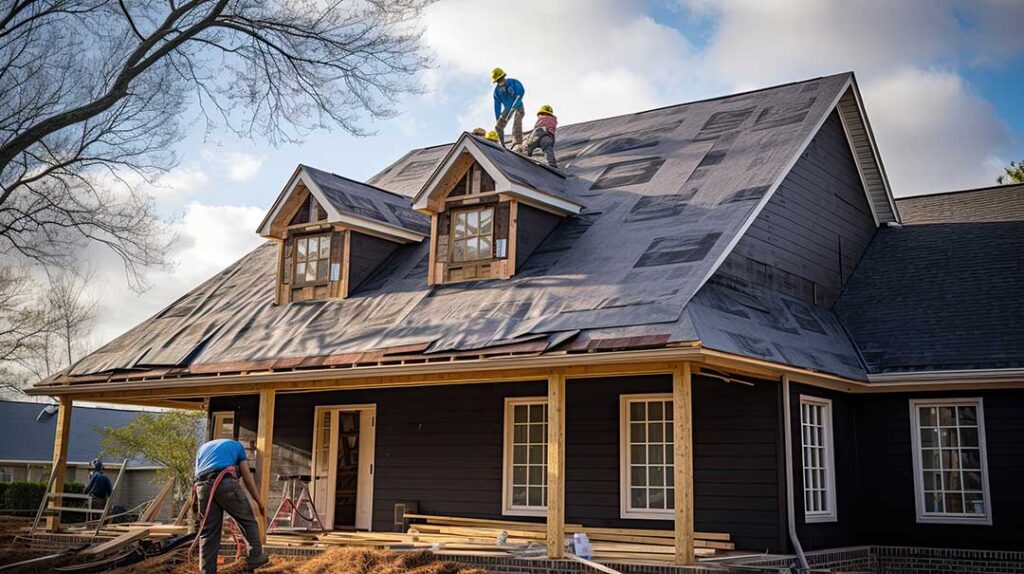
Why Prepare Your Roof for Hurricane Season in Elma, NY?
Hurricane season brings high winds, heavy rain, and flying debris—even to communities not usually in the direct path of tropical storms. Residents in Elma, NY can face powerful storm remnants and extreme weather each year. Preparing a roof in advance reduces the risk of leaks, water damage, and structural issues that can be costly to fix or dangerous for families.
Though Elma is more inland than coastal areas, local homes and buildings can still suffer storm damage because of older roof designs, mixed aging of materials, and the area's tall trees. Knowing what to check and how to strengthen a roof ahead of time improves safety and peace of mind.
What Are the Most Critical Roof Weaknesses During a Hurricane?
The most common hurricane-related problems are wind-lifted shingles, damaged flashing, blocked drainage, and fallen branches. Many area homes have asphalt shingles or composite roofs, which are especially vulnerable if the materials are aging or loosely attached.
Key weaknesses include:
- Missing or curling shingles that provide openings for wind-driven rain
- Rusted, bent, or cracked flashing (the metal at valleys, around chimneys, or vent pipes)
- Gutters or downspouts that clog, causing water to overflow into siding or under roofing layers
- Large trees with overhanging branches that might break and fall in strong winds
Spotting these problems early allows for small, manageable repairs instead of expensive emergency fixes after a storm.
How Can Area Residents Inspect Their Roofs Safely Before Storm Season?
A visual roof inspection from the ground is often enough for residents in Elma to identify major issues. Roof surfaces, edges, and gutters should all be included in the check. Binoculars help spot problem areas without climbing.
To perform a basic inspection:
- Walk around the house and check for missing, broken, or raised shingles
- Look for sagging areas along ridges or valleys
- Examine flashing for rust, gaps, or lifted edges
- Scan gutters for visible debris, plant growth, or detachment from the roofline
- Check attic ceilings for daylight leaks, water stains, or mushy insulation
Only climb a ladder if you feel comfortable and the ground is dry and stable. Avoid getting on the roof itself; falls and injuries are a greater risk than most storm-related repairs.
What Repairs Should Be Prioritized Before Storms Arrive?
Loose or missing materials should be fixed as soon as possible. Seal any exposed nail heads, replace damaged shingles, and secure vulnerable spots.
Prioritized repairs include:
- Installing missing or replacement shingles to block wind and water
- Firmly nailing or sealing down lifted edges
- Securing or replacing damaged flashing around roof joints, vent pipes, and chimneys
- Clearing out gutters and downspouts to allow water to drain properly
- Trimming branches that hang over the house or touch the roof
If shingle granules are collecting heavily in gutters, it could mean the roof needs replacement soon, but short-term patching is still better than leaving damage open to storms.
Can Roof Structures Be Reinforced for Better Wind Resistance?
Yes, there are practical steps homeowners in Elma can take to improve their roof's resistance to wind uplift and flying debris. While some solutions require construction experience, several can be handled by homeowners comfortable with simple repairs.
Effective reinforcement options:
- Applying roofing cement under shingle tabs at roof edges and along ridgelines to decrease wind-lifting
- Installing metal “hurricane straps” in the attic to better connect roof trusses to walls (requires access and some carpentry skill)
- Using roofing nails with wider heads or specialty hurricane-rated fasteners when replacing or securing shingles
- Ensuring heavy vent covers and flashing are tightly anchored
For older barns or outbuildings with simple roof frames, cross-bracing can add more strength against side-to-side wind motion.
How Should Gutters and Drains Be Maintained for Hurricanes?
Rain from tropical storms can overwhelm clogged or undersized drainage. Local homes are surrounded by trees and seasonal leaf fallout, so gutters fill quickly.
Best practices for roof drainage:
- Clean out all gutters and downspouts before hurricane season and again after major storms
- Check for sagging or separated sections where water could cascade behind siding
- Install gutter guards if ongoing clogging is a problem
- Confirm that downspouts direct water far enough from the foundation to avoid seepage

Pooling water on the roof or overflowing gutters during a storm can cause rot and leaks beneath shingles or along wall lines.
What Should Residents Know About Emergency Roof Coverings?
Temporary roof tarping or sealants can minimize further water intrusion after a storm if damage does occur. These coverings are a short-term protection measure until permanent repairs are possible.
After any significant storm:
- Cover holes or missing shingle areas with heavy-duty plastic sheeting or tarp, well-secured at edges and weighted down if possible
- Avoid using thin plastic or household materials that might rip away in the wind
- Limit walking on a wet or damaged roof to avoid additional harm
Quickly applied tarps or patching can prevent water from soaking insulation, wood framing, and ceilings.
Are Local Building Codes or Insurance Requirements Relevant?
Older homes in Elma may have been built before modern wind-resistance codes. Some insurance policies require proof of maintenance or repairs for storm damage claims. Ensuring the roof is properly maintained and up to date can reduce the risk of coverage disputes or delays in disaster recovery.
Residents should:
- Keep records of repairs, material upgrades, and inspections
- Understand what their homeowner’s policy covers regarding wind and water damage
- Review any local government updates for wind-resistance standards or emergency guidance
Following best practices for maintenance can also support insurance claims if a storm does cause damage.
What Are Common Mistakes Elma Residents Make When Preparing Roofs for Storms?
It’s easy to overlook small issues or rely on outdated storm preparation advice. Some frequent mistakes include:
- Ignoring minor shingle damage, which can worsen quickly during a storm
- Leaving gutters filled with debris, causing water backup
- Waiting until a storm is imminent instead of preparing during dry weather
- Using improper temporary covers that don’t hold up under sustained winds
By addressing small repairs early and inspecting regularly, local households can avoid much larger problems when severe weather arrives.
