
Which roof type is better for a home in Elma, NY?
Neither flat roofs nor sloped roofs is automatically right for every property. The better choice depends on the building’s design, drainage needs, available attic space, maintenance expectations, and how the roof will handle snow, rain, wind, and seasonal temperature changes.
For many traditional homes, a sloped roof offers practical advantages in a four-season climate because water and snow can move off the surface more easily. Flat roofs can still perform well, particularly on additions, garages, porches, and modern-style buildings, but they require careful drainage planning and closer attention to surface condition.
What is the difference between a flat roof and a sloped roof?
A flat roof is not usually perfectly level. It is built with a slight pitch so rainwater can flow toward drains, scuppers, or roof edges. Commercial buildings often use this design, but it also appears on residential additions and low-profile homes.
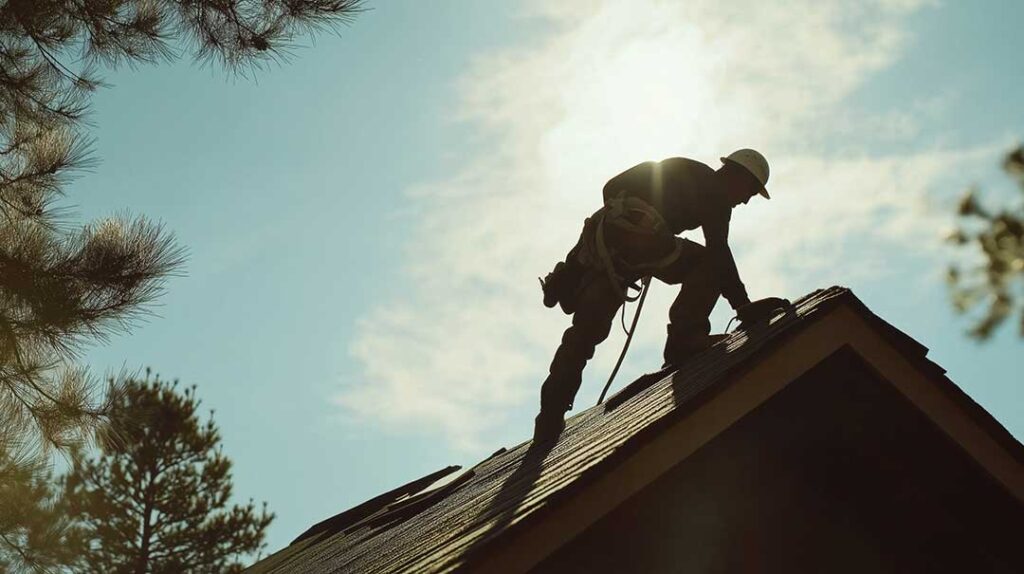
A sloped roof has a noticeable angle, commonly formed with rafters or trusses. The slope may be modest or steep, and the roof covering may consist of shingles, metal panels, tile, or another approved material.
The most visible difference is appearance, but the slope also affects drainage, attic ventilation, insulation, snow behavior, access, and the types of roofing materials that can be used.
Why do many local homes use sloped roofs?
Sloped roofs are common because gravity does much of the drainage work. Rain runs toward gutters or roof edges, while snow is more likely to slide, shed gradually, or remain in a shallower layer than it would on a low-slope surface.
A sloped design can also provide:
- More attic or storage space
- Greater room for insulation and ventilation
- Easier installation of common shingle systems
- Less standing water after rain
- A familiar appearance that fits many established residential neighborhoods
The roof angle still matters. A low-slope roof may hold snow longer than a steep roof, while a very steep roof can create snow-shedding concerns over walkways, entrances, or lower roof sections. Roof geometry should be considered as a complete system rather than judged only by how steep it looks.
What are the advantages of a flat roof?
Flat roofs can make sense where a low-profile appearance, usable roof area, or straightforward building shape is desirable. They are often practical for one-story additions, attached garages, porches, and contemporary designs.
Potential advantages include:
- A clean, modern profile
- Easier access for inspections when safe access is available
- Efficient use of interior volume
- Space for rooftop equipment or carefully designed outdoor areas
- Fewer complex slopes on simple additions
A flat roof may also reduce the overall height of an addition and help preserve sightlines from nearby windows. That can be useful when expanding a house without creating a tall, visually heavy structure.
The main limitation is drainage. Because the pitch is slight, leaves, ice, and debris can interfere with water movement. Drains, scuppers, flashing, and roof edges must work together. Even a small drainage problem can cause water to remain on the membrane longer than intended.
How do snow and ice affect the decision?
Snow and ice are major considerations for any roof in this region. A sloped roof generally sheds precipitation more naturally, but snow guards, valleys, dormers, and changes in roof height can create areas where snow accumulates.
Flat roofs are designed to carry snow loads rather than simply shed all snow. That makes structural capacity and drainage especially important. A heavy, wet snowpack can place significant weight on a low-slope roof, particularly if drains are blocked or water becomes trapped beneath the snow.
Ice dams can form on sloped roofs when heat escapes into the attic and melts snow above colder roof edges. The water may refreeze near the eaves and back up beneath the roof covering. Proper insulation, air sealing, and attic ventilation can reduce the risk, although they cannot prevent every weather-related problem.
Which roof is easier to maintain?
Maintenance depends more on design quality and access than on roof shape alone.
Sloped roofs should be checked for missing or damaged coverings, exposed flashing, blocked gutters, deteriorated pipe boots, and moss or debris buildup. Valleys and areas around chimneys or roof penetrations deserve particular attention because they handle concentrated water flow.
Flat roofs should be inspected for ponding water, membrane damage, open seams, damaged edge metal, blocked drains, and cracks around penetrations. Ponding that remains after a reasonable drying period is not merely a cosmetic issue; it may indicate insufficient slope, a blocked drainage path, or a sagging roof structure.
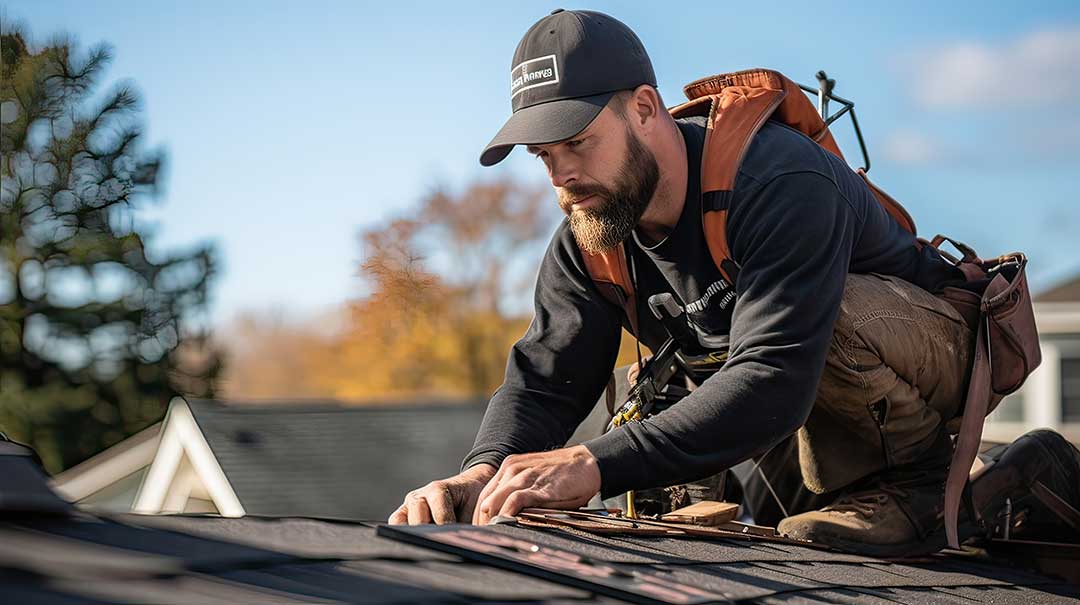
After major wind, ice, or snow events, a visual inspection from the ground can identify obvious concerns. Walking on a roof can damage materials or create a fall hazard, especially when surfaces are wet, icy, or concealed by snow.
Which option lasts longer?
Neither roof type has a guaranteed service life. Longevity depends on the roofing material, installation quality, ventilation, drainage, exposure, maintenance, and how quickly small defects are addressed.
Sloped roofs with shingle coverings may develop localized damage from wind, ice, falling branches, or repeated freeze-thaw cycles. Flat roof membranes can be durable, but seams, flashing, and penetrations require close observation because small openings may allow water into insulation or roof decking.
A roof that drains well and is inspected periodically can outperform a theoretically longer-lasting system that has poor detailing or neglected maintenance.
Is a flat roof more likely to leak?
A flat roof is not automatically more likely to leak, but it has less tolerance for drainage problems. On a sloped roof, water usually moves quickly toward the edge. On a low-slope roof, water may remain near a seam, penetration, or damaged area for a longer period.
Common flat-roof leak sources include:
- Blocked or undersized drains
- Cracked or lifted flashing
- Open membrane seams
- Damage around vents and equipment
- Ice movement at roof edges
- Water collecting in low areas
Many leaks do not appear directly below the original defect. Water can travel through insulation, decking, or framing before becoming visible inside. A ceiling stain may therefore indicate a broader drainage or flashing issue rather than a single small hole.
What should homeowners consider before choosing a roof design?
For a new home or addition, the decision should account for the entire building rather than roofing alone. Useful questions include:
- How much attic space is needed for insulation, storage, or mechanical equipment?
- Where will rainwater and melting snow drain?
- Could snow slide toward a doorway, driveway, deck, or walkway?
- Will nearby trees drop leaves onto the roof or into drains?
- Is the structure designed for expected snow and wind loads?
- How will the roof connect to existing walls and roof sections?
- Are local permitting and structural requirements satisfied?
- Can the roof be inspected safely throughout the year?
The surrounding landscape also matters. Trees can increase debris accumulation, while shaded roof areas may dry slowly and remain more vulnerable to moss or ice. Building orientation, roof color, ventilation, and insulation affect seasonal performance as well.
Which roof is right for an existing home?
For an existing house, the most practical choice is usually the roof form that matches the structure unless there is a larger renovation planned. Changing a sloped roof to a flat roof, or the reverse, can affect framing, exterior walls, attic ventilation, insulation, drainage, windows, and the connection between old and new construction.
A flat roof is often reasonable for a properly designed addition. A sloped roof may be more suitable where attic ventilation, snow shedding, or conventional residential appearance is a priority. The safest decision comes from evaluating structural capacity, drainage paths, and long-term maintenance before selecting materials or changing the roof shape.
For local households, the central question is not simply whether a roof looks modern or traditional. It is whether the complete system can manage water, snow, ice, wind, ventilation, and maintenance under the property’s specific conditions.
