

What Is Roof Pitch and How Is It Measured?
Roof pitch describes the steepness or slope of a roof. It’s usually expressed as a ratio, such as 4:12 or 8:12, indicating how many inches the roof rises vertically ("rise") for every twelve inches it extends horizontally ("run"). For example, if a roof rises 6 inches for every 12 inches of horizontal run, it has a 6:12 pitch.
Measuring this angle is straightforward for most homes. A carpenter’s level and a tape measure can be used in an attic or by carefully measuring from the roof’s edge. Knowing your roof pitch isn’t just a technical detail; it directly affects the roof’s performance and your home’s overall appearance.
Why Does Roof Pitch Matter in the Local Climate?
Roof pitch plays a critical role in how a roof handles weather — a key concern in Elma, NY. Steeper roofs shed water and snow more quickly, which helps prevent leaks and structural strain during the region’s snowy winters.
In Elma, roof design must balance practical concerns with aesthetics. While a low-slope roof might provide a certain visual profile, it may not shed snow as efficiently as a steeper design. This can be an issue since accumulated snow can become heavy, leading to ice dams, leaks, or even structural damage if not managed properly.
How Does Roof Pitch Impact Material Choices?
The slope of your roof limits which roofing materials are feasible. For local residents, understanding this can prevent expensive mistakes:
- Low pitch (2:12 to 4:12): Materials like rolled roofing or specific types of membrane roofing are often needed, since shingles may leak at such gentle angles.
- Medium pitch (4:12 to 9:12): Asphalt shingles, metal, and wood shakes commonly perform well.
- Steep pitch (greater than 9:12): Most traditional shingle and tile products work, but installation becomes more challenging and may cost more due to safety requirements.
Some homeowners wonder if they can use any roofing material regardless of slope. In reality, using the wrong material can lead to leaks, mold, and reduced roof life, especially in wet or snowy conditions like those seen in the area.
What Are the Benefits and Drawbacks of Different Roof Pitches?
Every slope comes with trade-offs. Here’s a balanced look at common designs in Elma:
Steep Pitches (6:12 and above):
- Shed water and snow rapidly
- Help prevent buildup and reduce the risk of leaks from melting snow
- Offer more attic or loft space
- Typically cost more in materials and labor
- Can be harder to maintain due to safety concerns during inspections or repairs
Low and Moderate Pitches (2:12 to 4:12):
- Cost less to build and often simpler to maintain
- Can be less effective at draining water and snow, requiring more frequent inspections for leaks
- May not meet certain insurance or local regulatory requirements for snow load
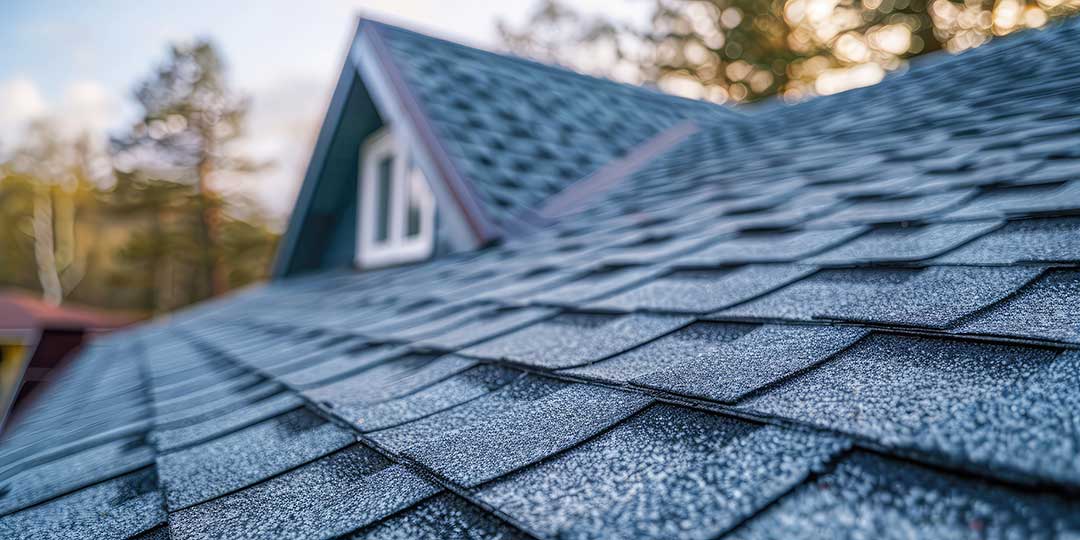
Local building guidelines often consider snow load and drainage, so any new roof or significant repair in the community should be assessed for compliance and suitability.
Does Roof Pitch Affect Energy Efficiency or Ventilation?
Yes, the angle of your roof can influence energy performance. Steeper roofs naturally allow for better airflow through attics, which helps regulate temperature in all four seasons. More space also means adding insulation can be easier, and ventilation systems may function more effectively.
Flatter roofs may be more prone to heat buildup in the summer or ice formation in the winter, making proper insulation and ventilation especially important for these designs.
Are There Common Misunderstandings About Roof Pitch?
Many people assume that a higher pitch is always better for all homes in Elma, or that pitch decisions are purely about looks. In reality:
- Extremely steep roofs can make routine maintenance costly and complicated.
- A roof that’s too flat for local snow levels could bring increased risk of leaks and structural issues.
- Building codes may set minimum pitch requirements based on expected snowfall, so remodeling or additions need to account for both appearance and regulation.
Checking the true pitch (rather than guessing) ensures the right balance for the house’s structure, appearance, and local weather conditions.
How to Determine the Right Pitch for Your Elma Home?
Selecting an optimal slope involves weighing climate, cost, appearance, intended roof use, and local standards. For new construction, an architect or engineer typically specifies a safe, practical design to match Elma’s weather patterns. For existing homes, replicating the original pitch when re-roofing ensures water continues to drain correctly and avoids unintended problems.
If there’s ever uncertainty about an unusual roof design, households should reference local codes and standards to verify safe ranges for pitch, particularly for snow loads typical in the region. Choosing a roof that fits naturally in the environment, and is practical to maintain, is a reliable way to reduce household headaches during winter or heavy storms.
