

What Should You Do First After a Storm in Elma, NY?
Start by ensuring personal safety before thinking about checking the roof. Wait until the weather has fully cleared. Avoid walking around the yard or driveway if there are downed power lines, dangling tree limbs, or large debris.
Once it is clearly safe, residents can begin an exterior inspection from the ground. Use binoculars if possible to spot obvious issues like missing shingles or damaged gutters. This initial step allows residents in the community to gauge if a closer look is needed, without risking unnecessary exposure to hazards.
Which Signs of Roof Damage Are Most Common After Storms in This Area?
Strong winds, hail, and heavy rain are typical threats in Elma. The most common after-effects include:
- Missing, cracked, or curled shingles
- Exposed or damaged underlayment (the “felt paper” below shingles)
- Dented or loose flashing around chimneys, skylights, and roof edges
- Bent, clogged, or dislodged gutters and downspouts
- Debris accumulation in roof valleys and gutters, which can slow water runoff
- Shingle granules collecting around downspouts or in the yard
Tree limbs and flying debris frequently cause more localized punctures or indentations in roofing materials, especially for homes situated near wooded lots or older trees that are common in local neighborhoods.
Can You Check for Leaks or Interior Water Damage Without Going onto the Roof?
Yes—interior signs often reveal damage you cannot see from the outside. Shortly after a storm, check these areas inside the home:
- Ceilings directly beneath the roof for new water stains, bubbling paint, or wet spots
- Attic spaces: Use a flashlight and look for damp insulation, dark streaks, or signs of active dripping
- Around chimneys, vents, and skylights for moisture or musty odors
Be aware that small leaks might not show immediately. Sometimes, it can take several days or a new rain before hidden issues become clear.
What Should Residents Avoid When Inspecting After a Storm?
Never climb onto a roof if it appears unstable, overly steep, or visibly damaged. Wet roofing materials are slippery, and gusty weather often returns quickly in the region, raising the risk of falls. Instead:
- Rely on long-range visual checks from solid ground or upper-story windows
- Avoid removing heavy limbs or debris until certain it won’t shift and create further damage
- Do not attempt to make temporary repairs if water is pooled on the roof or electrical lines are affected
If any of these conditions exist, homeowners should wait until emergency personnel have cleared the area and it is safe to assess fully.
How Can You Tell the Difference Between Cosmetic Damage and More Serious Issues?
Not all storm-related changes require immediate repair. Cosmetic problems, such as a few lost granules or minor dents in metal flashing, can often wait. In contrast, more urgent concerns include:
- Large sections of missing shingles or underlayment left exposed
- Extensive denting that breaks through metal flashing, creating entry points for water
- Blocked drainage that causes ponding water anywhere on a low-slope roof
- Interior leaks or visible water stains, even if they seem minor
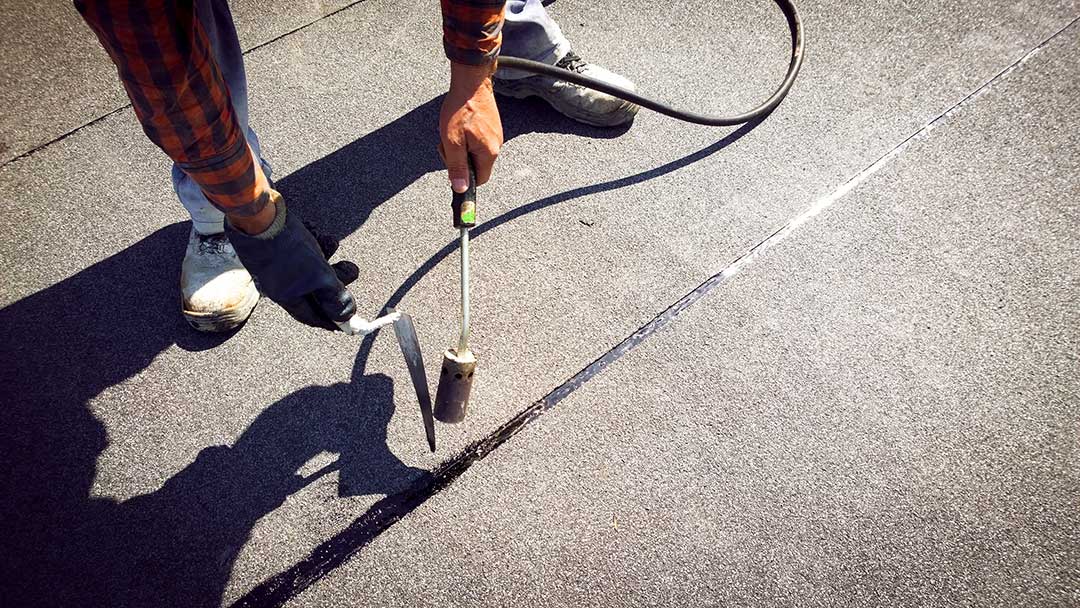
Prompt attention to anything that exposes the wooden structural elements below the roofing material will help prevent escalating problems with mold, rot, and energy loss during the area’s cold and wet seasons.
What Are Common Mistakes Homeowners Make After Storms?
Residents sometimes underestimate minor damage, assuming it won’t worsen. However, small problems may create opportunities for leaks, ice dams, or pest entry later. Ignoring blocked gutters, for example, can lead to water backup under shingles or pooling near the foundation—issues that are especially problematic in older homes with shallower roof pitches commonly found in the area.
Some residents may also rush to patch holes with tarps or plastic sheeting during continued bad weather, which can lead to injuries or accidental damage. Always prioritize safety and remember that a thorough visual check is usually enough to inform the next steps.
When Should You Document Roof Damage and How?
Documenting visible damage promptly after storms helps with insurance claims or future repairs. The best way to do this:
- Take clear photographs from multiple angles, including close-ups and wide shots for context
- Note the date, time, and specific locations of any damage, such as “north side facing the driveway” or “over living room window”
- Keep a written record of any new leaks, including when and where they appear inside the house
Share documentation with relevant parties only if repairs or claims become necessary. Clear records can help households avoid disputes about when damage occurred or whether it was pre-existing.
Are There Special Considerations for Roof Types or Older Homes?
Elma has a mixture of older and newer residential roofing, and storm impacts can differ by material and age. Residents with older asphalt shingles, slate, or wood shakes should pay attention to:
- Shingles that appear thin, brittle, or easily lift in wind
- Rust or corrosion on older metal flashing
- Loose tiles or shakes, especially at the roof’s edges
- Gutters attached to fascia boards that show signs of rot or detachment
Homes with additions, dormers, or low-slope sections are prone to leaks around transitions. Regularly check intersections where roof lines meet walls or where newer materials meet older ones.
How Often Should You Check the Roof During Storm Season?
Visual checks should be made after any strong storm with high winds, heavy rain, or significant hail. Seasonal storms in the area can also happen back-to-back, so recheck the roof after each event, not just once per year. This habit makes it easier to spot developing problems before they become costly, especially in older homes or wooded lots.
