

What Is Ice Damming and Why Does It Occur?
Ice damming is a winter roofing problem where ridges of ice form along the edge of a roof, causing melted snow to back up and leak into the house. This typically happens after heavy snowfall followed by a freeze-thaw cycle, which area residents often experience during Elma, NY winters.
Ice dams form when warm air from the living space leaks into the attic, warming the underside of the roof and causing accumulated snow to melt. The meltwater then flows down to the cooler roof edge, where it refreezes, gradually building a dam of ice. Water trapped behind this barrier can then find its way under shingles, leading to leaks and water damage inside. This is not just an issue in older homes; even well-insulated attics can be susceptible if heat escapes unevenly.
How Does Ice Damming Affect Homes in This Region?
Local homes are particularly at risk due to frequent lake-effect snow and fluctuating winter temperatures common in the Elma area. Steep-pitched roofs, deep snowpack, and older insulation practices found in many local residences can increase risk. Ice damming can result in the following:
- Water stains or damage on ceilings and walls
- Mold growth in attics and insulation
- Warped hardwood floors or peeling paint near exterior walls
- Costly roof and gutter repairs
Homeowners in the community may also find that ice damming worsens energy efficiency by increasing heat loss and strain on heating systems.
What Are Common Signs of Ice Damming?
The presence of thick icicles hanging from the gutters often signals an ice dam—a misconception is that all icicles indicate serious trouble, but long, heavy icicles near roof edges or gutters combined with water stains indoors are classic signs. Other indications include:
- Ice or water visible behind or beneath soffits
- Peeling paint on interior window frames
- Consistent wetness, dampness, or mildew odor in attic or upper rooms during winter
Proactive inspection during winter months makes it easier to catch these issues before they lead to major interior repairs.
How Can Ice Damming Be Prevented?
Prevention relies primarily on two core strategies: keeping the entire roof cold during winter and minimizing warm air leakage from the living space into the attic.
Key prevention steps include:
Sealing Air Leaks
- Insulate and seal openings where warm air escapes into the attic (such as around chimneys, plumbing stacks, attic hatches, and recessed lights).
- Use weatherstripping and caulk for small cracks and gaps.
Improving Attic Insulation
- Ensure attic insulation meets current recommendations for the local climate.
- Gaps or compressed insulation reduce effectiveness and may need to be replaced or redistributed over time.
Maintaining Proper Ventilation
- Ridge vents, soffit vents, and gable vents should be unobstructed, allowing cold outdoor air to circulate and maintain even roof temperatures.
- Homeowners should periodically check for blocked vents due to insulation, debris, or animal nesting.
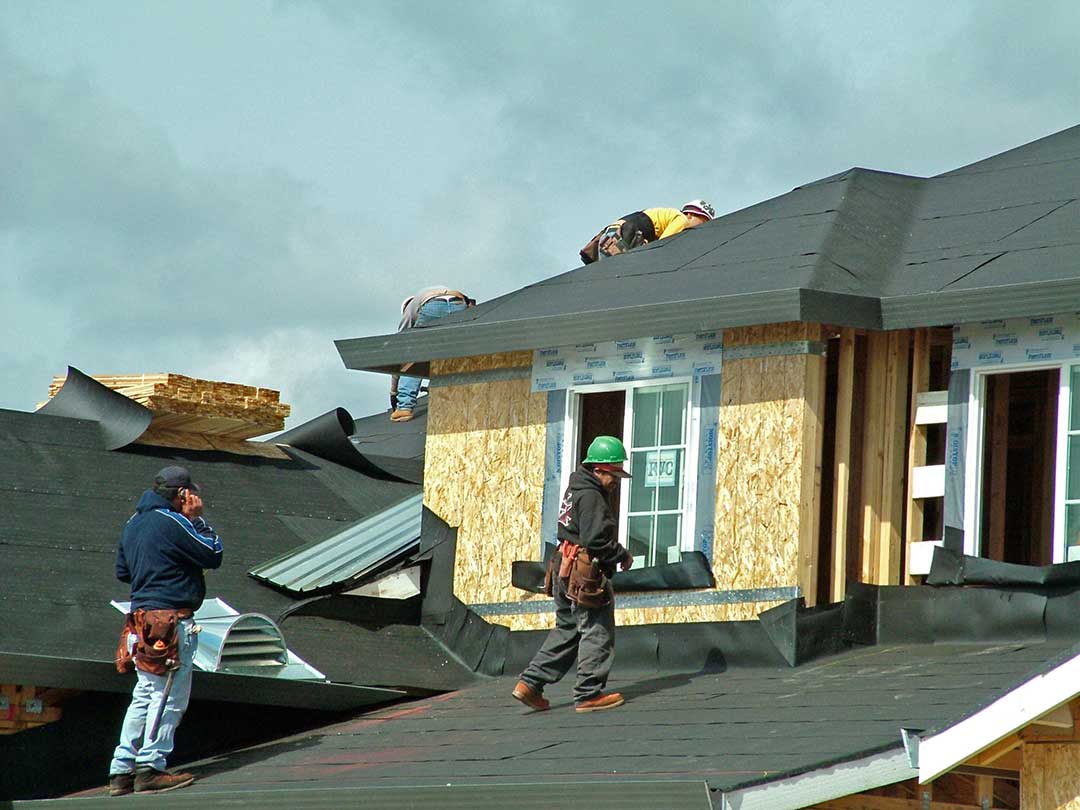
Roof Snow Removal (With Caution)
- When safe, using a roof rake to remove snow from the bottom few feet of the roof can help reduce melting and refreezing cycles.
- Never try to chip away at ice dams with sharp tools, which can damage shingles and personal safety.
Are Heat Cables or Ice Melt Products Useful?
Heating cables (sometimes called heat tape) are an option to keep small channels open for drainage along roof edges, but they should be seen as a partial fix—not a substitute for attic insulation and ventilation improvements. Similarly, roof-safe calcium chloride products can be used in emergencies to melt small ice dams, but regular reliance on these approaches may mask underlying attic heat loss.
When Is It Time to Take Extra Precautions?
Not every home requires an identical approach. Some residences with shallow roof overhangs, dormers, skylights, or unique architectural features may need customized strategies. For homes with a history of repeated ice damming, after improving insulation and ventilation, residents might consider a mid-winter attic inspection or using an infrared camera (available from local municipal libraries or community hardware tool libraries) to check for heat leaks.
Issues involving extensive attic mold, significant roof leaks, or suspected structural damage do require additional expertise and, in some cases, reporting to the appropriate building safety authorities.
What Common Myths Lead to More Problems?
Several persistent myths can actually worsen ice damming risk:
- Removing all icicles will fix the problem—removal is cosmetic and does not address attic heat leaks.
- Adding more attic ventilation alone will solve issues—ventilation is only one part; sealing air leaks and insulating are just as vital.
- Roof damage is unavoidable in older homes—many older houses in the local area can be retrofitted effectively.
Awareness and regular inspection, especially during midwinter thaws, remain the most effective steps for households seeking to avoid preventable repairs and maintain a comfortable, safe home environment through the winter.
