
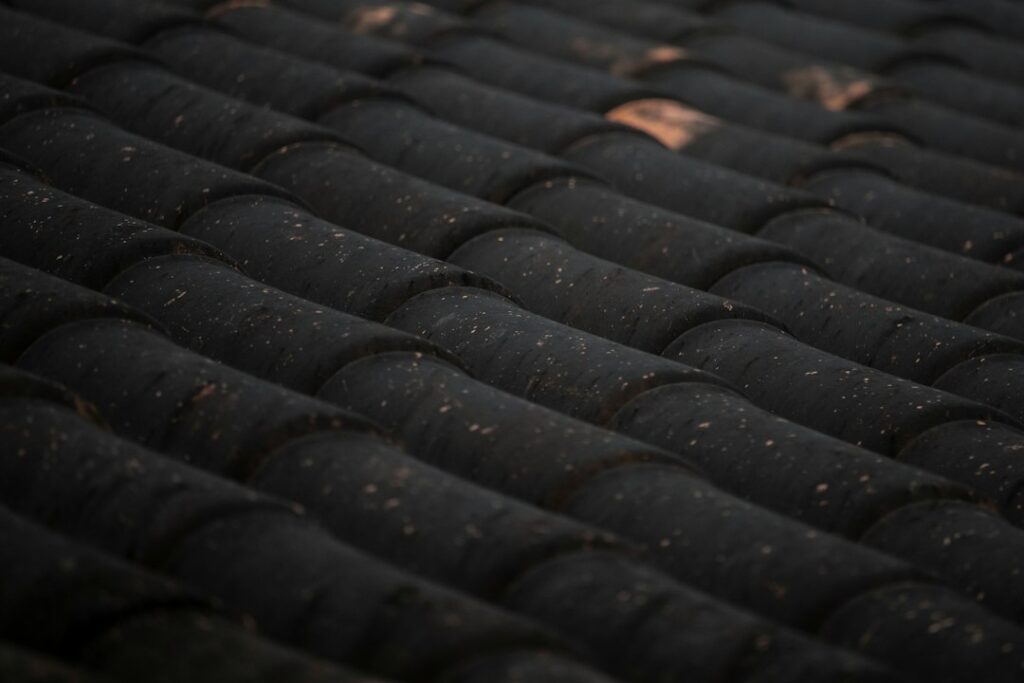
What do curling and cracked shingles mean?
Curling and cracking are visible signs that asphalt roofing shingles are losing their ability to shed water and protect the roof deck. In Elma, NY, these problems may develop gradually as shingles are exposed to winter cold, summer heat, wind, moisture, and repeated freeze-thaw cycles.
A few slightly raised edges do not always mean the entire roof needs replacement. However, widespread curling, brittle surfaces, or cracks that expose the underlying material usually indicate that the roof is aging or has been stressed by installation, ventilation, or weather conditions.
Curling generally means the shingle edges or corners are lifting away from the roof. Cracking appears as splits, lines, or breaks across the shingle surface. Both conditions can allow water to travel beneath the shingle and reach the underlayment, wood decking, or attic.
What causes asphalt shingles to curl?
Shingles curl for several reasons, and more than one cause may be present on the same roof.
Common causes include:
- Age-related deterioration: Asphalt loses flexibility over time. As shingles become dry and brittle, their edges may shrink or lift.
- Poor attic ventilation: Excess heat and moisture in the attic can shorten shingle life. Hot roof surfaces can accelerate drying and aging, while trapped moisture can affect the underside of the roof system.
- Improper installation: Shingles may curl if they were installed over an uneven surface, fastened incorrectly, or placed without adequate alignment and sealing.
- Insufficient sealing: Many asphalt shingles rely on factory-applied adhesive strips to bond overlapping courses. Persistent cold, wind, dust, or installation problems can prevent proper sealing.
- Wind exposure: Repeated wind movement can loosen shingle edges, especially where the adhesive bond is weak.
- Moisture and freeze-thaw cycles: Water entering small gaps can freeze and expand, gradually lifting or splitting roofing materials.
A roof that curls only in a small area may have a localized installation or wind-related issue. Curling across multiple slopes usually points to age, ventilation, or widespread material deterioration.
How is cracking different from curling?
Cracking describes splits in the shingle itself, while curling describes a change in the shingle’s shape. Cracking may appear as short surface lines, long splits, or breaks that extend through the shingle’s weathering layer.
There are two common patterns:
- Surface cracking: Fine lines may develop as the top coating ages. These cracks can be difficult to see from the ground and may not immediately cause leakage.
- Thermal splitting: Repeated expansion and contraction can pull the shingle apart. This is more serious when cracks are deep, numerous, or located near seams and fasteners.
Cracked shingles are more vulnerable to wind and water. Once the fiberglass mat or asphalt layer is exposed, the shingle can deteriorate faster. Granules may wash into gutters, and water may begin moving sideways beneath overlapping courses.
Can curled or cracked shingles be repaired?
Small, isolated areas can sometimes be repaired, but the appropriate response depends on the shingle’s age, condition, and the extent of the damage.
A limited repair may be reasonable when:
- Only a few shingles are affected.
- The surrounding shingles remain flexible and well bonded.
- The damage resulted from a recent wind event or a single localized problem.
- Matching replacement shingles are available.
- The roof deck and underlayment are still dry and sound.
Replacement shingles should be secured carefully, and lifting older shingles aggressively can cause additional cracking. Adhesive products may help secure a loose edge in limited circumstances, but they are not a cure for widespread aging or poor ventilation.
If curling and cracking appear across several roof areas, patching individual shingles may only delay a larger problem. Older shingles can break during repair work, and new replacement pieces may not bond properly to brittle surrounding material.
When does shingle damage require closer attention?
A roof deserves prompt inspection when visible damage is accompanied by signs that water is getting into the building.
Watch for:
- Brown or yellow ceiling stains
- Damp insulation in the attic
- Soft, dark, or deteriorated roof decking
- Water marks around chimneys, vents, or roof valleys
- Shingle pieces or granules accumulating in gutters
- Daylight visible through the roof deck
- Repeated leaks after rain or snowmelt
- Shingles missing, folded back, or lifted along entire edges

Water does not always appear directly below the damaged shingle. Roof leaks can travel along rafters, sheathing, insulation, or flashing before becoming visible indoors. A ceiling stain may therefore be several feet away from the original entry point.
In winter, ice and snow can conceal damage. A roof that appears acceptable from the ground may still have cracked sealant, lifted edges, or moisture beneath the shingles.
Should shingles be replaced after one harsh season?
Not necessarily. A single storm or cold season may reveal an existing weakness rather than cause complete roof failure.
After severe wind, check the ground and visible roof edges for:
- Missing shingles
- Exposed dark underlayment
- Bent or lifted tabs
- Loose flashing
- Clusters of granules
- Damaged ridge or hip shingles
Avoid walking on a roof to investigate. Asphalt shingles become easier to crack in cold weather, and wet or snow-covered surfaces are hazardous. Binoculars can provide a useful ground-level view, while attic observations may reveal water entry that is not visible outside.
How does attic ventilation affect shingle life?
Attic ventilation helps manage heat and moisture, but ventilation must be balanced with proper air sealing and insulation. Simply adding a vent does not correct every attic problem.
Warning signs of attic-related trouble include:
- Excessive heat near the roof peak
- Frost or condensation on roof nails during cold weather
- Damp insulation
- Musty odors
- Mold-like staining on wood surfaces
- Bathroom or kitchen exhaust discharging into the attic
Air from living spaces should not be allowed to leak freely into the attic. Warm, moist indoor air can condense on cold roof components during winter. That moisture may contribute to wood deterioration and can make roofing problems more difficult to diagnose.
What should residents check after repairing or replacing shingles?
After any repair, the surrounding roof should be checked rather than focusing only on the visibly damaged shingle. The underlying deck should be firm, flashing should direct water away from seams, and nearby shingles should remain securely bonded.
It is also useful to inspect the attic after the next substantial rainfall. Look for fresh moisture, damp insulation, or new staining around the repaired area. A repair that appears sound from above may still leave an entry path below the shingles.
For older roofs, keep records of visible damage, leaks, repairs, and approximate installation dates. That information helps distinguish an isolated defect from a broader pattern of aging. In Elma, seasonal changes can expose roofing weaknesses at different times of year: wind may lift loose edges, winter moisture may enter cracks, and summer heat may make brittle shingles more noticeable.
The safest approach is to treat curling and cracking as conditions to investigate, not merely cosmetic flaws. Early attention can sometimes limit the affected area, while delayed leaks may damage insulation, ceilings, framing, and interior finishes.
